Vestas & Xylem
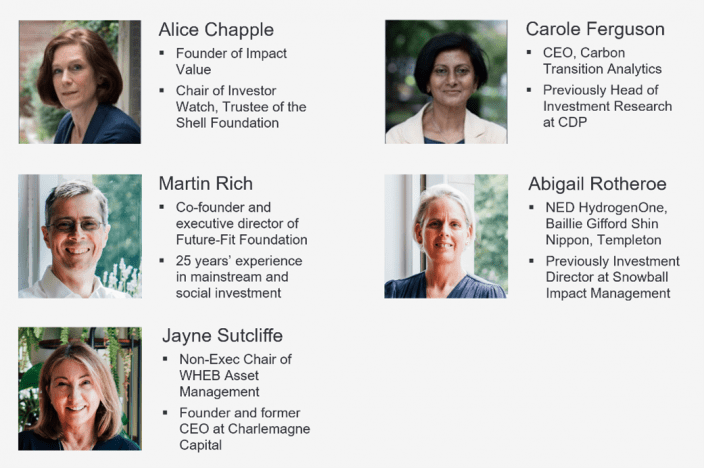
WHEB's Investment Advisory Committee
Objective
Information gathering exercise to understand what corporate best practice is in supporting the well-being of employees in sensitive areas like reproductive rights.
Background/issue
In light of the Roe v Wade ruling form the US Supreme Court, we considered how best to approach key public social issues, especially where they are contentious and have become politicised. We therefore raised this issue with the Investment Advisory Committee in July 2022.
Actions
After a discussion in the committee meeting, it was decided that, in potentially contentious areas like reproductive rights, for example, we should encourage businesses to be sensitive to differing views within the employee base whilst encouraging companies to adopt practices that clearly support the well-being of all employees. We decided to initially undertake an information-gathering exercise to understand what corporate best practice is in supporting the well-being of employees in sensitive areas like reproductive rights. Following the committee meeting, two opportunities arose to discuss reproductive rights with investee companies: Vestas and Xylem.
- After voting at Xylem’s AGM, we wrote to the company to explain our reasons for voting against management's recommendations, as per our policy. As is often the case, this led to a dialogue with the company management and we were able to raise this topic, amongst others. Specifically, Associate Fund Manager Victoria MacLean enquired about whether there had been a discussion internally on how the recent overturning of Roe v Wade impacted Xylem’s workforce and whether there had been any subsequent changes to benefits. The company stated it has introduced new and reiterated exisiting measures that support employees whose choices about whether or not to have a child may have been influenced by Roe v Wade. Measures include access to increased travel and accommodation allowances to support out-of-state care; increased short-term disability salary cover from 75% to 100% (providing additional support to those needing down time to recover after an abortion); and increased parental leave from four to eight weeks.
- Similarly, a letter written to Vestas following our voting at the company AGM sparked a conversation with the company’s Investor Relations Team. Senior Analyst Claire Jervis shared examples of company action on employee care in response to Roe v Wade. Vestas clarified that medical plans in the US covered abortion and that travel coverage had been expanded to cover out-of-state abortion costs for employees and covered dependents. As with Xylem, Vestas has a comprehensive approach to critical ESG issues, and we are pleased to see that company management is supporting a healthy and diverse workforce
Outcomes
Successful and ongoing
The benefits of a healthy and diverse workforce are well known. It is WHEB’s view, therefore, that investee companies should look after their employees and support diversity. This is evidenced by our long history of engaging with companies on internal social issues, such as diversity and inclusion, employee safety and labour rights, all of which are well-established as valid aspects of the ‘ESG’ agenda. As stated, we are pleased to see that investee companies with a US footprint are taking appropriate measures in light of the overturning of Roe v Wade. We continue to build a picture of best practice and will share this with companies as appropriate.

Power Integrations
Objective
For the company to stop including the tax rate as part of the company’s financial model.
Background/issue
Power Integrations’ products offer the ability to significantly reduce households’ idle load electricity consumption and the company’s leading position in gallium nitride (GaN) technology enables strong growth prospects. However, most of its international sales go via the Cayman Islands, one of the most widely known tax havens. As we believe that this represents a risk to the management quality of the business, which is otherwise good, understanding this strategy has been a priority for us. We initiated an engagement with the company on this topic in Q4 2021 in order to question the responsibility of reporting sales in the Cayman Islands.
This resulted in a lengthy discussion, including a call with the CFO, in which the company indicated no plans to change its reporting practices unless the benefits of reporting in the Cayman Islands are removed. Ultimately, none of the arguments that the company presented will protect it from increasingly stringent rules of corporate tax, such as the OECD’s proposed minimum corporate tax rate or the US’s proposed increased tax rate on foreign earnings.
The discussions helped to build a foundational relationship with the company, which was new to the portfolio as of Q3 2021, though this engagement remained open, requiring further efforts.
Actions
In June 2022, we were invited to speak to Joel Achramowicz of Shelton Group, who Power Intergrations hired in preparation for their first-capital markets day. We took this opportunity to reiterate our belief that tax structuring is unhelpful for society and that it is not differentiating.
We set out our expectations that the company should not include the tax rate in their target financial model and instead should focus on their differentiated technology, intellectual property, markets and operational execution. In addition to tax, we also suggested improved impact and ESG reporting.
Outcomes
Unsuccessful
We have since spoken to the company’s Investor Relations and CFO again on tax, but they remain clear that they have no intention of changing the structure. We will continue to pursue this with the company and escalate as appropriate.
Danaher
Objective
Protect shareholder ability to use the special meeting right
Background/issue
For WHEB’s portfolio companies, routine resolutions occur far more frequently than shareholder resolutions relating to ESG issues. In 2022 a mere 1% of the resolutions WHEB voted on were proposed by shareholders and none related to environmental or social issues. This is likely because WHEB’s investee companies tend to avoid major social or environmental controversies and do not therefore attract regular shareholder resolutions. WHEB’s voting policy is therefore primarily designed to guide voting on core governance and sustainability issues in relation to routine proposals.
Actions
WHEB voted for the Shareholder Proposal ‘4. Amend Articles/Bylaws/Charter - Call Special Meetings - Reduce Ownership Threshold for Shareholders to Call Special Meeting’. This was against management’s recommendations and with ISS.
Where we vote against company management or abstain, we typically write to the company in question, explaining our reasons for doing so and seeking further engagement as appropriate. This communication takes place after the vote. We believe that a vote for this proposal is warranted. Lowering the ownership threshold from 25% to 10% would improve shareholders ability to use the special meeting right and no single shareholder would be able to act unilaterally to call a special meeting at the proposed threshold.
Outcomes
Unknown: We will continue to engage the company on these topics and where we deem them material and escalate as appropriate.
Centene
Objective
Gain an understanding of - how controversial issues – such as how decisions affecting care provision for vulnerable groups – are made and how they might be improved.
Background/issue
Centene has emerged as a major provider of health insurance to poor and vulnerable communities in the US, and in some states it is the only provider. Whilst we believe that Centene, when it does its business well, plays an important role in enabling healthcare access for poor communities in the US, it is not without controversy.
Actions
We engaged with the company over the course of 2022 to understand the various issues faced and how management has responded.
For example, the company received a number of significant fines in recent years for overbilling state-level healthcare agencies. These issues go back to 2017 and involve the way in which Centene was sourcing and billing states for pharmaceutical products. The company acknowledged that their approach led to overbilling and has since restructured that business so that any pharmacy management services are now provided purely as a pass-through so that the company makes no margin on these services.
There has also been a group of legal cases concerning the level of access to specialist services that patients are entitled to (known as network coverage). There are inevitably cases where coverage is incomplete (for example when a specialist retires creating a shortage in that indication at local level) but these instances tend to be temporary and are in any case addressed by enabling access to other providers – albeit sometimes further away – until coverage can be provided more locally. The first of these cases has been thrown out in Washington State. Our engagement with the company confirmed that they believe that the other cases are being taken on a contingent basis (‘no win, no fee’) and that they will also be dismissed in due course.
Potentially more problematic has been the case concerning a small child called D’ashon Morris. Centene, through its Texan subsidiary Superior, had reduced the level of care provided to D’ashon Morris which led directly to him suffering severe brain damage. It is clear in talking to the company that the case has caused quite a lot of introspection into how this happened. The Texan healthcare regulator has also been involved and has identified areas where Superior’s systems needed to be improved. The company claims that all of these areas have now been addressed and formally agreed with HSSE, and that a final settlement has been reached with D’ashon Morris’s family. We followed up with the company because we were keen to understand what the areas for improvement that were identified with HSSE were, what Superior/Centene have done to address them and whether, ultimately, these changes will ensure that these events cannot be repeated.
Outcomes
Partially succesful/Milestone 3:It was clear from our conversation with the company’s General Counsel and their Head of Investor Relations that substantial changes have been made to how decisions get made, particularly on foster care provision in the company’s Texan subsidiary Superior. These changes include for example, a foster care supervisory team that includes independent medical professionals to oversee feedback from clients on the company’s interactions with the foster care community. There are also now opportunities for caregivers to raise red flags before an issue becomes critical and any decision to withhold care is now subject to an appeals process to consider whether the application constitutes a medical necessity. We were impressed with the scale and scope of changes at Superior, but it is also clear that these clear improvements in governance have not been proactively rolled out across the rest of Centene’s activities.
Our investment case for Centene was originally centred around the growth opportunity from its social impact, as the company focuses on providing healthcare access to low-income and vulnerable communities across the US. We felt that the period of strongest opportunity has now passed, and the company is looking for alternative growth avenues which are necessarily less impactful. These were the prevailing reasons for us selling our position in Centene however, our remaining concerns about governance within the business did also factor into this decision-making process. We exited our position in Centene in our Health theme in Q4 2022.
Daikin
Objective
Progress on net zero carbon targets and strategy.
Background/issue
WHEB has been engaging Daikin on the topic of carbon via the CA100+ for several years now. Through this initiative, we have seen success with the company setting a net zero carbon emissions target of 2050.1
Actions
In 2022 we continued work done the year before that focused on strengthening the quality of the company’s strategy for achieving this target. Specifically, within this workstream, WHEB was involved in discussions with CA100+ on engagement tactics, requesting disclosure of targets by scope and requesting a report on lobbying activities and product development. We also suggested how to refine and improve the strategy.
Outcomes
Partially successful/Milestone 2: This ongoing dialogue with Daikin has been effective in achieving progress and enriched our understanding of the challenges the company faces. For example, Daikin is limited in its ability to influence Scope 3, but is working to promote inverter-enabled AC systems which allows great energy efficiency. The company has also co-established the GX public/private collaborative working group for accelerating action on climate, which we hope to learn more about in further conversations, particularly where activity is policy-related.
Ecolab & Linde
Engagement issue
Hazardous chemicals
Engagement objective
Achieving increased transparency around the use of hazardous chemicals and a reduction in their use within the chemicals industry
Activity
In December 2021, WHEB was one of a number of investors representing $41 trillion in assets that called for chemical manufacturers to phase out hazardous chemicals, particularly persistent and prior-informed-consent (PIC) substances. As part of this initiative, we lead on engagements with Ecolab and Linde.
- Ecolab: In mid-May 2022 we hosted a call on behalf of the investor group with Ecolab’s Head of Sustainability. The company clearly acknowledged the need to move away from hazardous chemicals and had identified nonylphenol, a product used in their detergents, as a candidate to phase out. Ecolab has worked with other companies to identify alternative products such as enzymes to replace nonylphenol and has set a date of 2030 for complete phase-out. The company has also been proactive in sharing more data – for example with the Chemical Footprint Project – and for pushing the phase-out agenda with others in the industry. However, as little of this data is publicly available, we encouraged the company to be more proactive in sharing this information publicly. We also understand from ChemSec that the company uses 15 other substances that are classified as substances of very high concern (SVHCs), which the company disputes and so we are seeking additional clarification and this remains an ongoing engagement.
- Linde: Like Ecolab, Linde is scored relatively highly by ChemSec, the NGO that is supporting our engagement. However, in recent years Linde has seen its ranking fall. We met with the company’s Head of Investor Relations and Head of Sustainability in early May 2022 to discuss the company’s approach. Most of Linde’s products are derived from ambient air and are not therefore considered to be toxic. However, the company does provide three products that are considered hazardous – which it was keen to stress that together these products account for c.1% of sales. Linde does also have a commitment to phasing out hazardous chemicals ‘where possible’ and has committed to finding alternatives to hexavalent chromium for example – but have only set a target to find alternatives by 2028 (with phase-out at an unspecified future date). We are keen to see Linde adopt a more proactive stance on the phase-out of these chemicals and believe, like Ecolab, that they could be much more open about their exposure to hazardous chemicals and the issues that make phase-out a challenge. We later wrote a letter to the Chair of the company’s new board-level Sustainability Committee with these points and continue to pursue further progress with the company.
Outcomes
Partially successful and ongoing. As noted above, we are at various stages of progress with each company and the two initiatives. The very nature of the requirements mean that this continues to be a long-term engagement campaign for WHEB and the industry.
Vestas
Objective
Understand Vestas’ policies and approach for managing biodiversity.
Background/issue
In early 2022, following our analysis that identified the company as having an elevated level of exposure to potential biodiversity impacts,1 we contacted Vestas hoping to discuss the company’s approach to managing this issue
Actions
Specifically, we highlighted the impacts associated with onshore and offshore wind park developments. After some chasing, Vestas responded to acknowledge the importance of biodiversity but stated that it was prioritising carbon reductions and product circularity for the time being. Nonetheless, the company did mention that it was planning on launching a biodiversity strategy which it hoped to have available nearer the end of the year. We followed up with Vestas in late 2022 to check on the progress made against setting a biodiversity strategy.
Outcomes
Partially successful/Milestone 1. The company did not have an update for us at this stage but did mention that there would be an update within the annual reporting package. Vestas also reiterated that the focus of its sustainability strategy was elsewhere, as it believes a bigger impact can be made by working on carbon reductions. Whilst it is positive that Vestas acknowledged the importance of biodiversity, it is yet to provide any concrete information concerning a policy, targets or a strategy. We believe that this makes the company a good candidate for escalation and we are preparing to do this in 2023.
A.O. Smith
Engagement issue
Gender diversity
Engagement objective
To improve board-level gender diversity at A.O. Smith.
Scope and Process
WHEB’s voting policy provides analysts with detailed voting guidance and a template for capturing and recording their decisions when voting at company AGMs.
Within this guidance, where a company has inadequate gender diversity on the Board which we consider to be less than 33% diverse, our policy is to Vote against the Chair of the Nomination Committee. AO Smith has historically had relatively poor gender diversity at Board-level and throughout the organisation. We have raised this issue directly with the company in our regular meetings with them and voted against the Chair of the Nomination Committee in 2019 and again in 2020 on the basis that the company had just two female directors (20%).
In 2021, AO Smith replaced a long-tenured male Director with a new female director. This brought the total number of female directors to 3 (30%). We are pleased with the new appointment which improves diversity and also improves independence on the Board. However, the company is still behind our target of 33% and so we continue to vote against the Chair of the Nomination Committee on this basis. We have communicated this to the company and look forward to further improvements in the coming years
Outcome: Partially successful
While the company has yet to meet our 33% target, the new Board appointment improves gender diversity and independence. Alongside this, the company has also improved wider disclosures on ESG issues.
First Solar
Engagement issue
Biodiversity
Engagement objective
We have been engaging with First Solar to better understand their approach to biodiversity and the potential impacts associated with solar farms. First Solar has sold its project development business but nonetheless as a supplier of solar modules has an important role to play in addressing biodiversity impacts, in our view.
Scope and Process
Renewable energy generation is central to tackling climate change which is itself a major threat to biodiversity. At the same time, the deployment of wind turbines and solar panels can also have direct impacts on biodiversity. These can be negative, but if well managed they can also be positive.
Outcome: Successful
The company has been reasonably proactive on this topic and has worked directly with environmental NGOs such as WWF in order identify best practices in solar park development and has also contributed to academic and industry research aimed at codifying best practices.
Much of this work is though quite old, and more recent research has indicated that with sensitive siting, construction, operations and decommissioning, solar parks can have a positive impact on biodiversity. This is particularly true in areas that have previously been intensively farmed or have otherwise been developed such as airports or brown field sites.
We have been pleased to see that First Solar has taken a proactive approach to encouraging best practices in mitigating negative and maximising the positive impacts of solar power on biodiversity. We have encouraged them to continue with this leadership and to report more comprehensively on their activities.
China Everbright
Engagement issue
Carbon emissions from waste to energy incineration.
Engagement objective
Carbon emission reduction target
Scope and Process
We have historically regarded waste to energy as a cleaner source of power compared to traditional fossil fuel power generation.
However, our views have evolved since initiating a position in China Everbright in 2017. Waste management infrastructure has matured and incineration – even with energy recovery – now no longer replaces landfilling of waste in this industry.
We engaged with company management, encouraging them to set a demanding carbon emission reduction target and developing systems for recycling of plastic and other fossil carbon based waste streams.
This involved voting against Board Directors due to a lack of action on greenhouse gas emissions as well as writing to senior executives in connection with our voting positions and separately on the need for ambitious net-zero carbon targets.
Outcome: Unsuccessful
The company indicated that it is keen to set a carbon reduction target, but that this will take up to three years to agree. It was not willing to accelerate this timeline, nor was it willing to prioritise plastic waste recycling.
Combined with other concerns that we had with the business (such as poor performance on gender equality), we concluded that management wasn’t giving these issues the high priority that we believe they deserve. We think that this will ultimately undermine the position of waste incineration in the market and consequently chose to sell our position in the business at the end 2Q2021.
We are very aware that divestment alone is not a solution in reducing carbon emissions in the real world. However, we do believe that it can send an important message to companies, especially where the reason for divestment is clearly signalled to both management and the wider market. We have communicated our reasons for selling our position in the company to management.